For players seeking the ultimate feel, boosting a hard sponge like Hurricane 3 is a common practice to make it “transparent.” However, whether “Cake Sponge” (large-pored, tensor-style sponge) requires boosting remains a highly debated topic among table tennis enthusiasts. Boosting is essentially using the evaporation of expansion oil to make the sponge larger and softer, thereby enhancing dwell time, speed, and power.
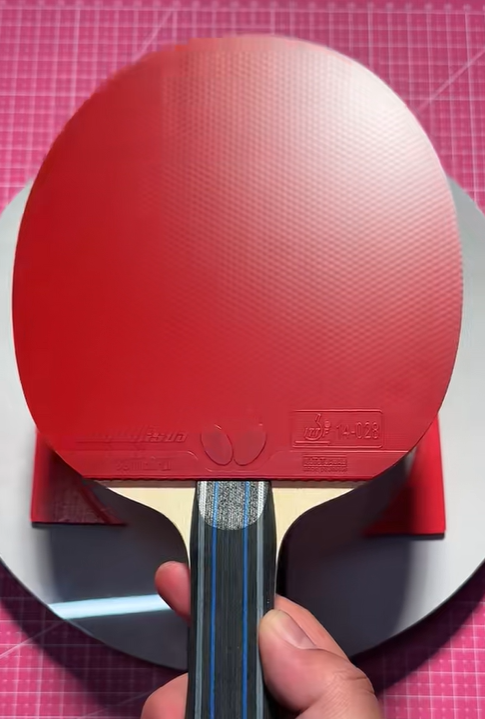
Here is a deep dive into cake sponge dynamics and usage recommendations:
1. Core Principle: Built-in Tension vs. Expansion
Cake sponges are typically manufactured with “built-in tension.” Booster oil is a volatile liquid that releases gases to further expand the sponge fibers.
- Pros: Increases shot speed and power, enhances “transparency,” and eliminates a “dead” or “stiff” feel.
- Cons: Prolonged or excessive boosting can cause irreversible damage to the sponge, leading to a loss of control and a shorter overall rubber lifespan.
2. Initial Assessment: Performance Evaluation
Not every cake sponge needs to be boosted right out of the package.
- Feel First: If the elasticity and power of the new rubber meet your needs, it is recommended to apply water-based glue and mount it directly without additional oil.
- Performance Gap: Only if you find the factory tension insufficient for your desired feel should you consider a light layer of booster to reach peak performance.
3. Decay Cycles: Classic vs. Modern Tensors
Tensor rubbers do not maintain their factory “pop” forever; the tension feeling gradually decays over time.
- Classic German Tensors: Rubbers like Tibhar Evolution EL-P or MX-P typically show a noticeable decline in tension after about 20 days of consistent play.
- Modern Japanese Rubbers: Newer series like Butterfly Dignics (D) have more advanced tension-maintenance technology, offering a significantly longer peak performance window.
- Actionable Tip: When you feel the rubber becoming harder or losing its “kick,” you can apply a layer of booster to “reactivate” the sponge.
4. The Trade-off: Top Sheet vs. Sponge Life
Deciding whether to boost depends largely on your expected replacement cycle.
- High-Frequency Users (2-3 months): If your top sheet wears out quickly (losing grip or showing surface abrasion), boosting from day one is a viable strategy. Since the top sheet will likely expire before the sponge degrades from the oil, boosting ensures you enjoy maximum performance throughout the rubber’s life.
- Long-Term Users (6 months – 1 year): If you prefer to keep a sheet for a long time, it is better to avoid boosting initially. Wait until the built-in tension has faded, then use a small amount of booster to extend the rubber’s usable life without damaging the sponge prematurely.
⚠️ Pro Tips & Practical Advice
- Individual Choice: Players who prioritize peak performance and have the budget for frequent replacements can boost to raise their performance ceiling. Those focused on value and longevity should stick to little or no oil.
- The “Thin” Rule: Cake sponges are more sensitive than hard sponges. Always follow the “thin layer” principle. Over-boosting can cause the sponge to lose its structural integrity, leading to unpredictable ball bounce.
- Natural Wear: Like a car tire, a top sheet that has thinned out from friction will inevitably lose control. Once the surface is “bald” or slippery, no amount of boosting can restore its competitive edge.